/filters:quality(90)/fit-in/970x750/coros-web-faq/upload/images/7a9d2d79f5661d4341ddf39eb6772741.jpg)
Five minutes before the 2023 Golden Trail Final, Mădălina Florea was not thinking about tactics.
She was not studying the athletes around her, she was not thinking about how to move through the climbs and descents ahead, or calculating when to attack. She had reached one of the biggest start lines in trail running, surrounded by the best athletes in the world.
And she was vomiting.
For years, this was how pressure showed up in her body. Before the biggest competitions, before the moments she had spent her life chasing, stress arrived before she did. It followed her to the start line and stayed there until the race began.
"It was almost like I needed to vomit to put all the negative thoughts outside of my mind," she says.
In 2023, the contrast was almost cruel. Mădălina had made it to the Golden Trail Final with no major sponsor, not even a travel stipend. That season helped turn her into a professional athlete and open those opportunities,
but support can only go so far.
"You can have the best team around you, everything you need to compete," she says. "But you cannot buy a healthy mind."
The Fear Was Never the Competition
Mădălina loves to compete. The stronger the field, the more alive she feels.
"The competition is not something I fear," she says. "Seeing how strong my competitors are motivates me."
Her coach since 2023, Greg Vollet, saw the same thing. When the level was high, though, something switched on. The problem was what happened before the race, when excitement crossed into pressure, and pressure crossed into physical stress.
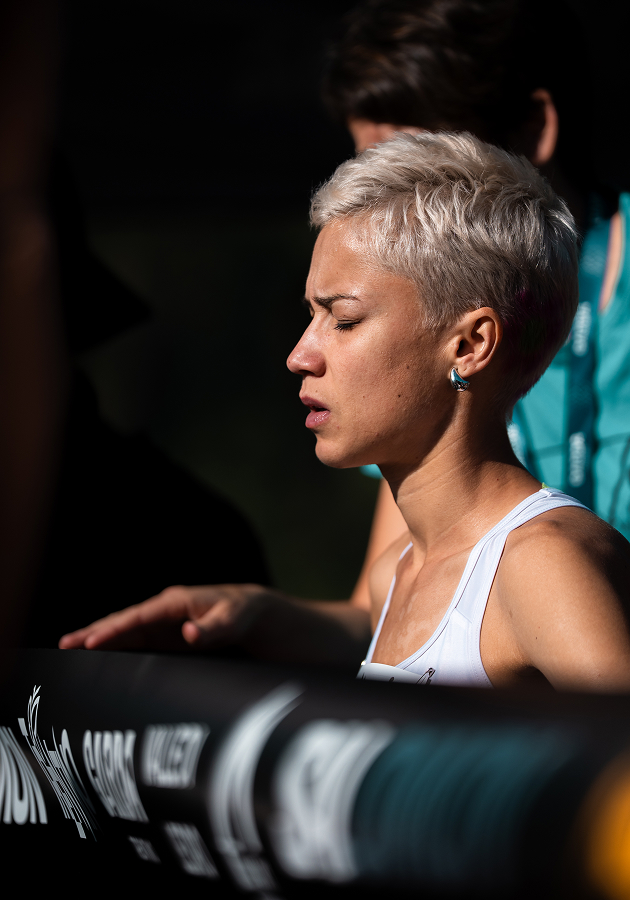
Credit: @goldentrailseries @koastalforest
The pressure she carried was the pressure she placed on herself, rather than from competitors or public expectation. She wanted to be the best when she stood on a start line. She wanted it so badly that desire became stress, and stress became sickness. She could not sleep before races. During races, she struggled to take gels. Sometimes all she could manage was a little water.
When Performance Took the Joy Away
After a strong preparation for Sierre-Zinal in 2024, she felt empty. The sport was becoming too serious. She wanted to stop.
"If you don't find pleasure anymore in what you do," she says, "maybe it is better to stop and do something else."
She had reached the level she once dreamed of, but stress had stolen some of the memories before she could fully live them. She was physically present, but emotionally consumed.
"I look at myself a couple of years ago, and I feel I was not there for the important moments," she says.
That realization hurt, but it also opened a door.
The Courage to Open Up
Mădălina had wanted to speak with a psychologist for a long time.
Still, wanting help and allowing help are different things. For an athlete used to pushing, fighting, and proving, opening up can feel harder than any climb. She had spent years training her body to suffer. Sharing emotions required another kind of strength.
"I was afraid of my emotions," she says.
In June 2025, she began working with a psychologist. Since then, she has spoken with her every week.
The work was not to make fear disappear, but to understand it, observe it, and give it shape. She learned to step back from the noise in her mind instead of believing every thought immediately.
Now, at the start line, she puts a hand on her chest, takes a breath, and checks in with herself. The emotion is still there, but it's no longer something she has to fight through to reach the race.
"I listen to the emotions," she says. "I feel the butterflies. I like it."
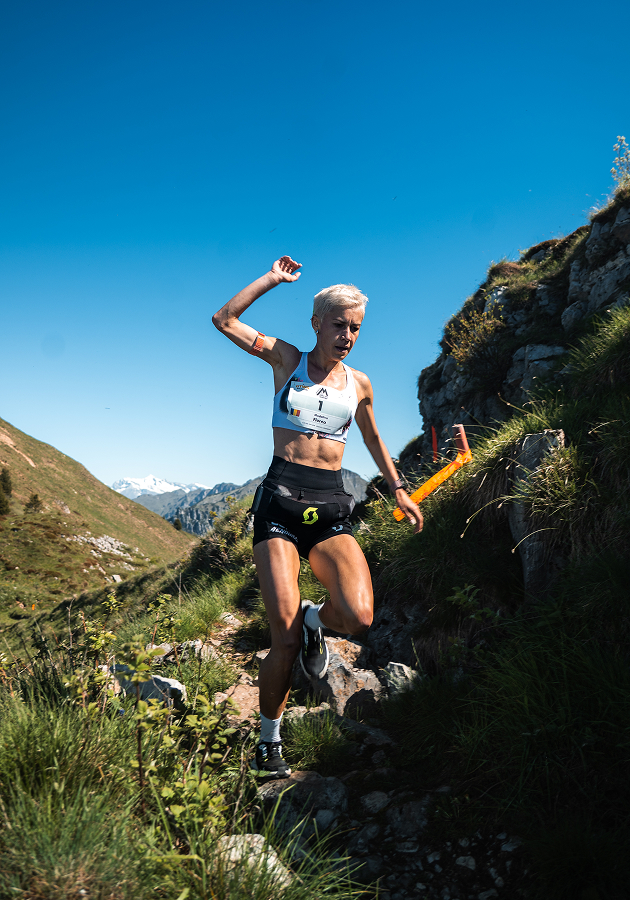
Credit: @goldentrailseries @koastalforest
Her coach, Greg Vollet, describes the work clearly: fear has a reason to exist. In mountain sports, fear protects athletes. A fall can injure you. Risk is real, but if fear becomes bigger than control, it can create the danger it was supposed to prevent.
"If you are too afraid of falling and it gets out of control, then for sure you'll fall."
For Mădălina, the work was to keep the useful fear and reduce the fear that disturbed her body.
"Being fearless doesn't mean having no fear," she says. "It means learning how to use fear in a way that helps you move forward."
Adaptation as Strength
The past year has taught Mădălina a word she and her coach now come back to often: adaptation.
During Mădălina's first season working with her coach, he asked her to take a full month off running. Starting again felt brutal: she was slower, emotional, and afraid she had lost her shape.
That shape came back, and with it, a new understanding that rest doesn't erase an athlete.
Now she can accept recovery when she is ill or when something small hurts. She can step away from sport with friends and regain the kind of energy that training alone can't provide.
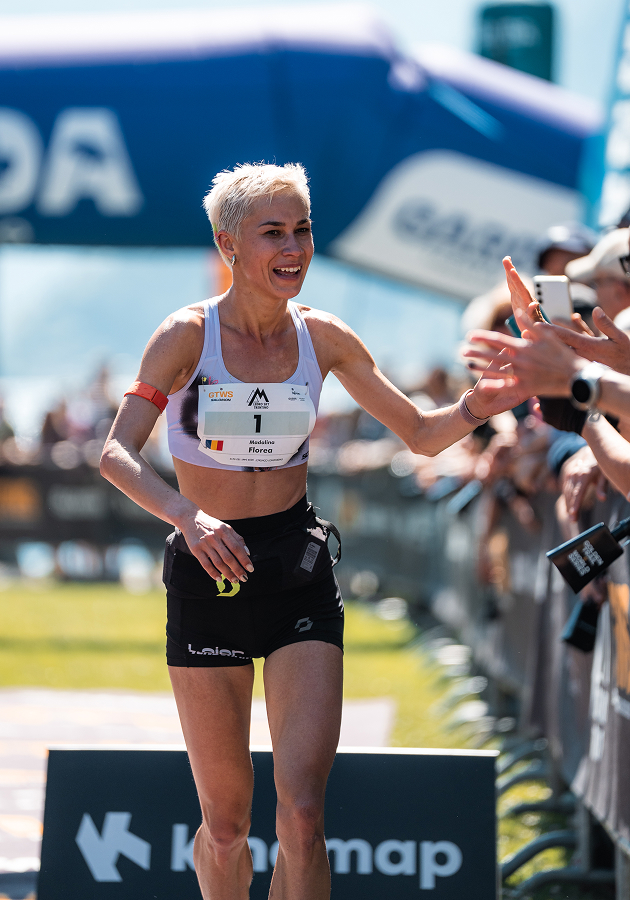
Credit: @goldentrailseries @koastalforest
Mădălina still wants to win and to prove herself, but she is learning that ambition does not need to become rigidity. In training and racing, this is where data can become useful. When fear starts creating its own version of the story, feedback can bring an athlete back to what is real.
Recovery, sleep, heart rate, training load, and how the body responds to effort can shift the question from, "Am I good enough?" to "What do I need today?" For Mădălina, the healthiest use of data is to help her listen.
The Freedom to Change
The transformation became something people could see. It showed in her haircut, her motocross-inspired clothes, and the energy she carried.
"It's as crazy as me," she says. "I don't want to care if people judge me because I'm skinny, because I have short hair and I don't look feminine enough by their standards. I don't want to fit into the narrow image of what a female athlete is supposed to be."
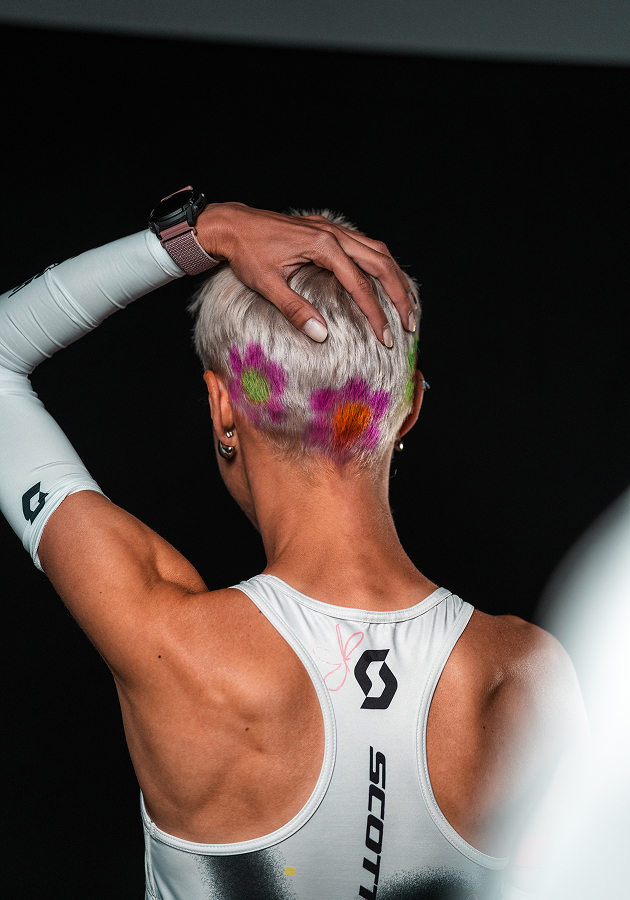
Credit: @goldentrailseries @koastalforest
Changing her appearance gave her the feeling of becoming someone new.
"Nobody knows this new version of me," she says, "so I can be anyone I want."
That may be the most fearless part of her story.
Find Your Own Way
Mădălina's advice to younger athletes is simple: don't lose yourself trying to become someone else. Look up to others, learn from them, but find your own way. And above all, keep having fun. Without joy, the sport becomes too heavy to carry for long.
Fear will still come. Mădălina doesn't try to silence it anymore.
"Fear can be like a shot of coffee. If you use it instead of fighting it, it gives you energy and pushes you forward."
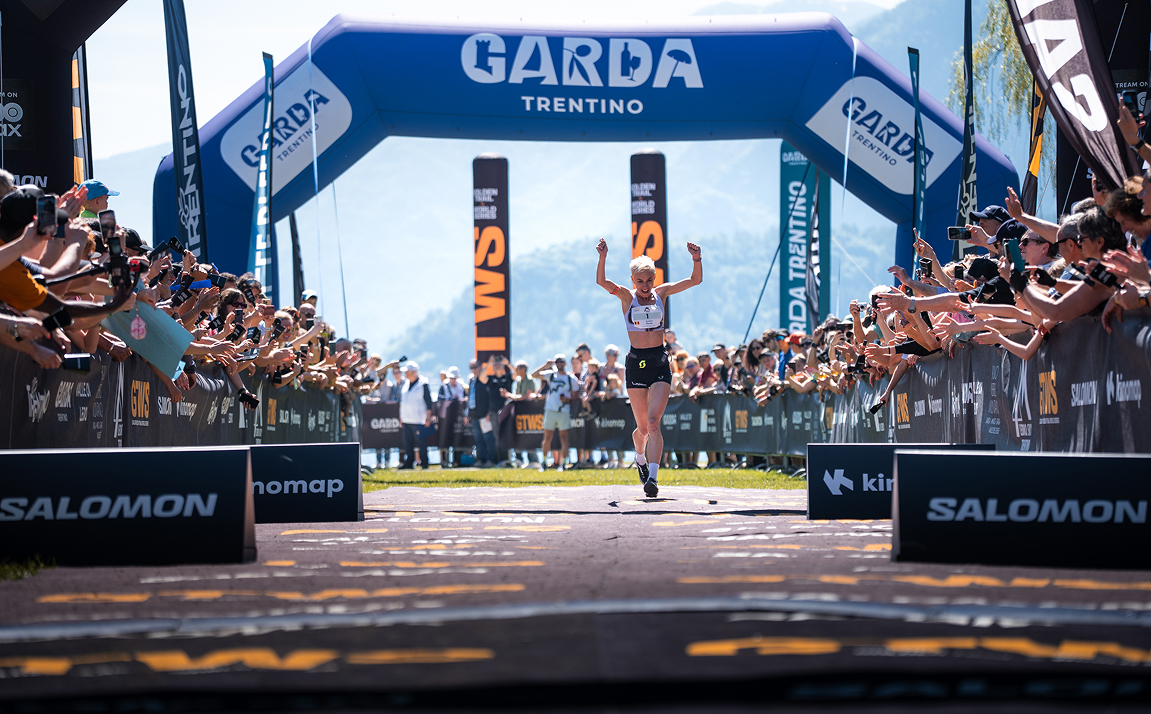
Credit: @goldentrailseries @koastalforest